If you've spent any time with Dr. Sebi's teachings, you've probably noticed one word that keeps coming back: minerals. Long before "mineral-rich" showed up on wellness labels, the Honduran-born herbalist was asking people to think about food less as calories and more as the earth's minerals, carried to us through plants.
It's a simple idea, and like most simple ideas, it's easy to nod along to and harder to live by. So let's slow down and look at what it means, where it comes from, and how you might bring a little of it into your own kitchen.
The idea in plain words
As we understand it, Dr. Sebi saw plants as a kind of bridge. Minerals live in soil, rock and sea water, and we can't exactly eat a handful of dirt. Plants pull those minerals up through their roots (or, in the case of seaweeds, straight from the ocean), and when we eat the plant, we receive what it gathered.
From there, his approach followed naturally:
-
Choose foods that grow close to the earth. Leafy greens, wild herbs, roots, seaweeds and whole grains came first.
-
Favour what's whole over what's refined. Processing often strips away parts of a food, so he pointed people toward foods that look much like they did when they were harvested.
-
Treat herbs as everyday food. In his view, herbs weren't only for special occasions. They were part of the daily table, often as teas.
You don't have to adopt every part of his food list to find something useful here. The heart of it is a question you can bring to any meal: how close is this to the ground it came from?
Where this thinking comes from
This way of eating didn't appear out of nowhere. Across the Caribbean, Central America and West Africa, families have long leaned on the plants around them. Think of bush teas brewed from backyard leaves, callaloo and other dark greens simmered into Sunday pots, and sea moss boiled into a thick, sweet punch. Elders didn't necessarily talk about "minerals," but they knew which plants were worth seeking out and passing down.
Dr. Sebi drew on those traditions and put them into his own language. That's part of why his ideas resonate so deeply in diaspora communities, including here in Toronto: they echo the kitchens many of us grew up in.
Mineral-rich plants to know
Here are a few foods that often come up in conversations about mineral-rich, plant-based eating. Nutrient levels vary with soil, water and season, so think of this as a starting point rather than a scorecard.
-
Sea moss. This red seaweed grows in ocean water, which is naturally full of minerals. It's known to contain iodine along with smaller amounts of minerals like magnesium, calcium and potassium. Because seaweeds can be high in iodine, a little goes a long way.
-
Bladderwrack. Another seaweed, often paired with sea moss in traditional blends.
-
Dark leafy greens. Kale, callaloo, dandelion greens and watercress are everyday staples worth rotating.
-
Stinging nettle. Long brewed as a tea in European and North American herbal traditions, and celebrated for its deep green flavour.
-
Burdock root. An earthy root used in Japanese cooking and in many herbal traditions, including the ones Dr. Sebi drew from.
-
Seeds and ancient grains. Hemp seeds, sesame seeds, quinoa, amaranth and spelt add texture and variety to plant-based meals.
Bringing it into your week
The beauty of this principle is that it doesn't ask you to overhaul your life overnight. A few small shifts can carry you a long way:
-
Add one green to each day. Toss a handful of greens into a soup, wrap or smoothie. Small and steady beats big and short-lived.
-
Brew instead of buy. Swap one bottled drink for a pot of nettle, hibiscus or another herbal tea you enjoy.
-
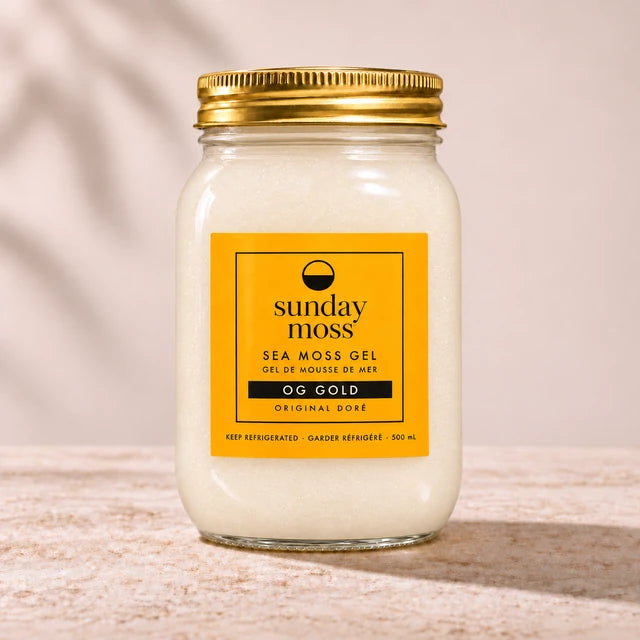
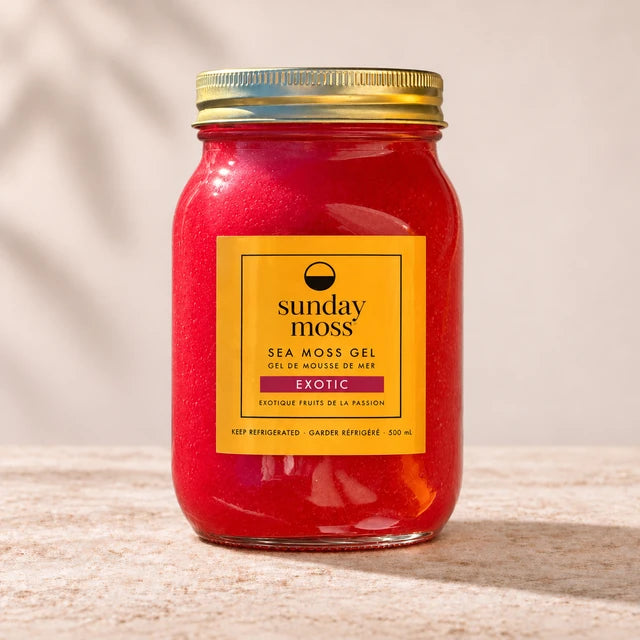
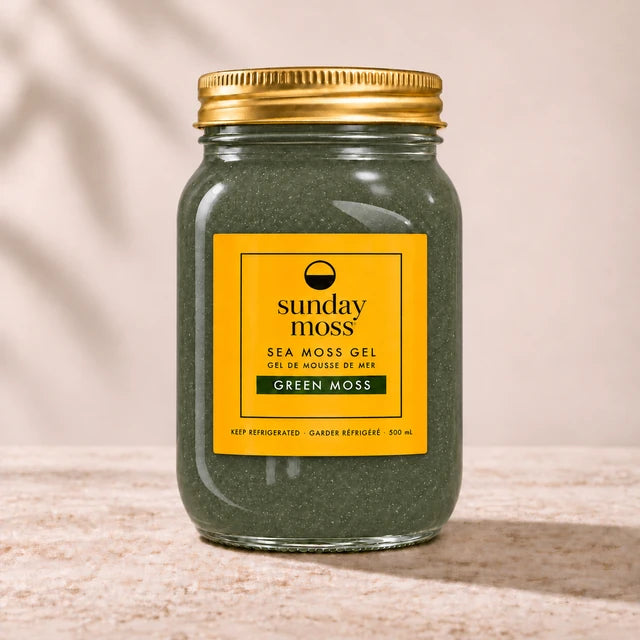
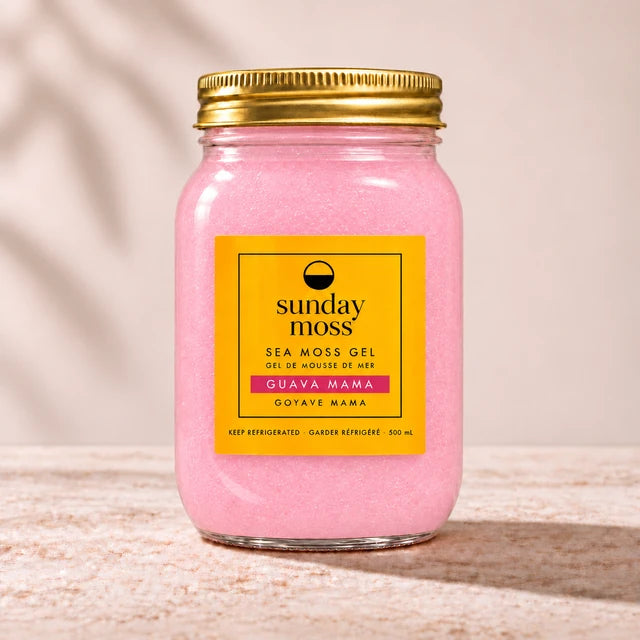
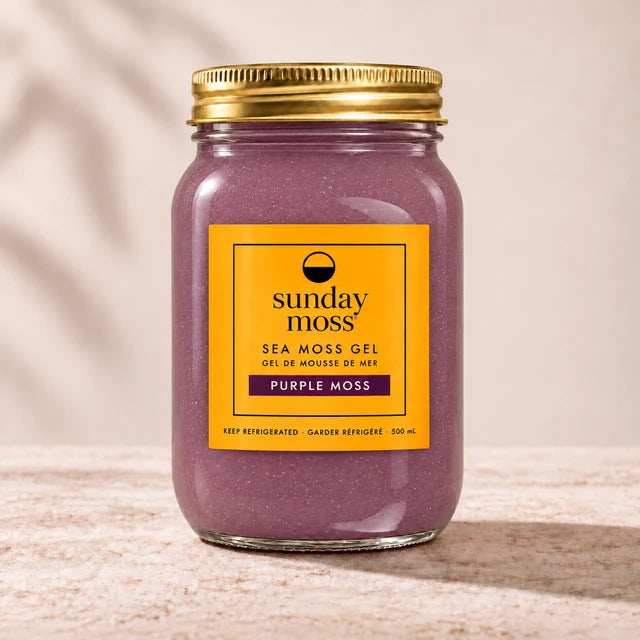
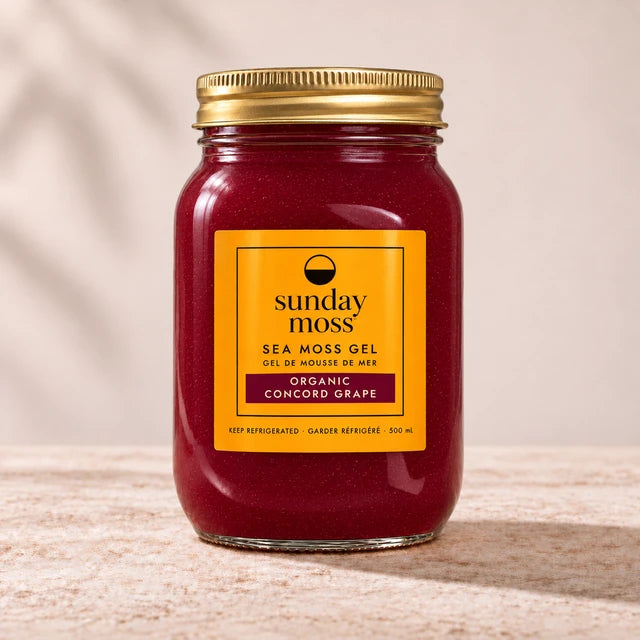
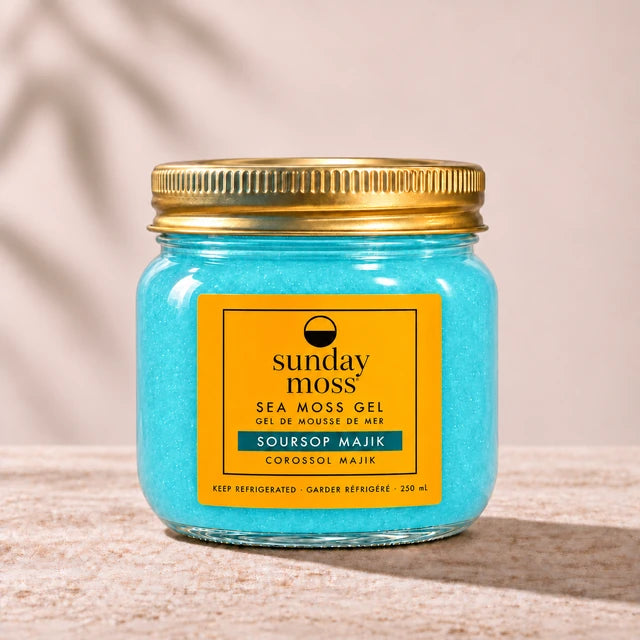
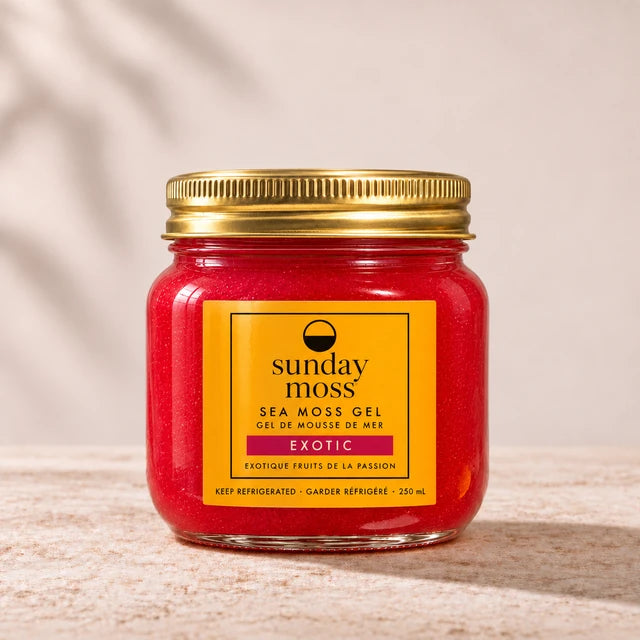
Keep a jar of sea moss gel in the fridge. Our Sunday Moss gels are made from wildcrafted St. Lucian sea moss. Most people stir 2 to 4 tablespoons a day into smoothies, oats or warm tea. The OG is mild and easy to hide, while Mango and Soursop Majik bring a little sunshine to your morning.
-
Read one label a week. No pressure, just curiosity. Notice how many ingredients you recognize, and what a food looked like before it reached the package.
-
Cook one meal from scratch on a slow day. Sundays are perfect for this. A pot of wild rice and greens, a stew with roots and herbs, a loaf made with spelt.
At its core, Dr. Sebi's emphasis on minerals is an invitation to pay attention: to where your food grows, how it's been handled, and how it feels to eat simply. You don't need to be perfect. You only need to start noticing, one plate at a time.
This post is for general information and inspiration only and isn't medical advice. Talk to a healthcare provider before changing your diet or adding herbs, especially if you're pregnant, nursing or taking medication.
 Soursop Majik
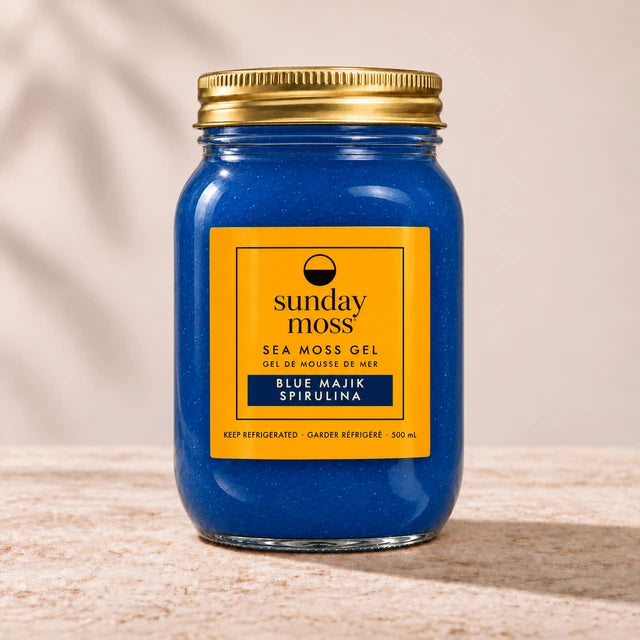 Blue Majik
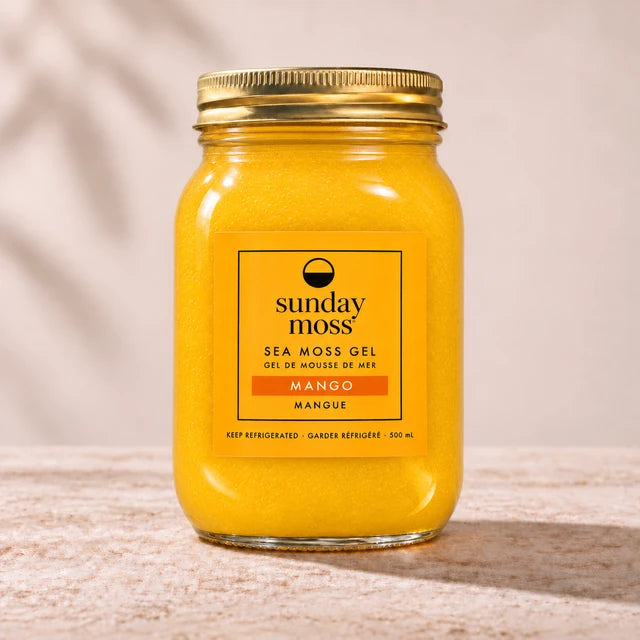 Mango