There's a particular kind of quiet that comes from a bowl of chickpeas soaking on the counter overnight. Nothing is happening, and yet everything is. By morning they've doubled in size, softened, and quietly gotten themselves ready for the week ahead.
This is the heart of what we call the soak and sprout ritual: a once-a-week hour (spread loosely over a day or two) where you rinse, soak, sprout and cook a few simple whole foods so that the rest of your week can unfold more gently. It's less a chore and more a rhythm, and it might become one of your favourite parts of the week.
Why a weekly prep ritual?
Dr. Sebi often spoke about returning to food in its whole, natural state: grains, legumes, seeds and plants that come to you close to how the earth made them, rather than in a box with a long list of ingredients. We find that idea inspiring, and in our own kitchens it has a very practical side. Whole foods ask for a little more time up front. A can of beans takes two seconds; a bag of dried chickpeas takes a night of patience.
But that patience pays you back. When you set aside one slow block of time, you end up with:
- A fridge stocked with ready-to-use grains and legumes for quick weeknight meals
- Fewer last-minute takeout decisions on busy Toronto evenings
- A chance to actually notice your food: its smell, its texture, the way it changes
- A grounding, repeatable habit that marks the start of a new week
Soaking and sprouting are old practices, found in kitchens from the Caribbean to West Africa to South Asia. Many cooks soak legumes and grains to shorten cooking time and get a softer, creamier texture. You don't need special equipment, only a few jars, a bowl and a little curiosity.
How to set up your soak and sprout day
Choose a day that already feels a little slower for you. For many people that's Saturday evening into Sunday (we're a little biased). Then work through it in stages:
-
Rinse your grains. Start with quinoa, which has a natural bitter coating called saponin. Rinse it well in a fine-mesh sieve under cool water, rubbing it gently with your fingers until the water runs clear. Wild rice, spelt berries and amaranth appreciate a good rinse too.
-
Set your legumes to soak. Put dried chickpeas in a large bowl and cover them with plenty of cool water (they'll roughly double in size). Leave them on the counter for about 8 to 12 hours, or overnight. Drain and rinse in the morning.
-
Start a sprouting jar. Take a cup of your soaked chickpeas and put them in a wide-mouth glass jar covered with a breathable cloth or sprouting lid. Rinse and drain them twice a day. In a day or two you'll see tiny tails appear. That's your cue to rinse once more and move them to the fridge.
-
Cook the rest. Simmer the remaining soaked chickpeas until tender, and cook a pot of grains. Let everything cool, then portion into glass containers.
-
Label and stack. A small piece of masking tape with the date is all you need. Most cooked grains and legumes keep well in the fridge for a few days, and you can freeze extras.
That's it. Nothing fancy, just steady.
Making it a ritual, not a to-do
What separates a ritual from a task is attention. A few ways to slow it down:
-
Put the phone in another room. Play music you love, or a podcast, or nothing at all.
-
Make a warm drink first. A pot of hibiscus or a mug of herbal tea on the counter turns prep time into me time.
-
Use your hands. Run your fingers through the quinoa as you rinse it. Notice how dried chickpeas clatter and soaked ones go quiet.
-
Check in on your sprouts. There's something lovely about watching food come alive on your windowsill. Kids especially enjoy this part.
-
Close with gratitude. Before you put the lids on, take a moment to appreciate where this food came from and the hands that grew it.
Putting your prep to work during the week
Once your fridge is stocked, weeknight meals start to build themselves. Toss sprouted chickpeas into a salad with cucumber, olive oil and lime. Warm cooked quinoa with a little coconut milk and cinnamon for breakfast. Fold chickpeas and wild rice into a big pot of soup when the November chill sets in.
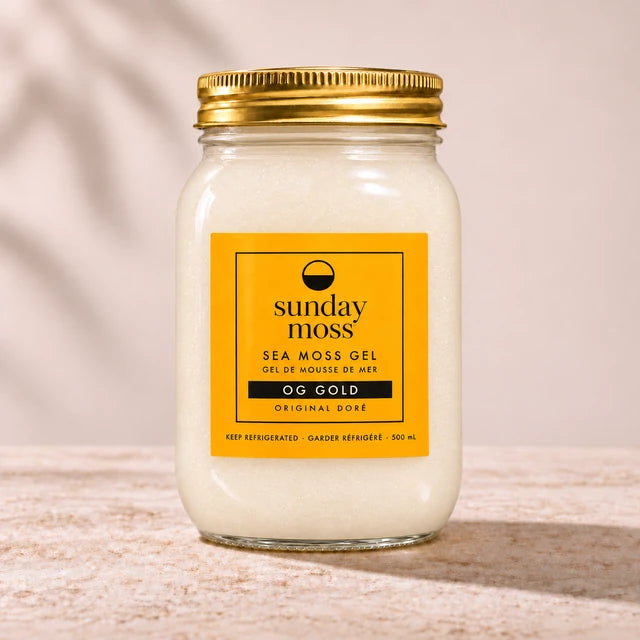
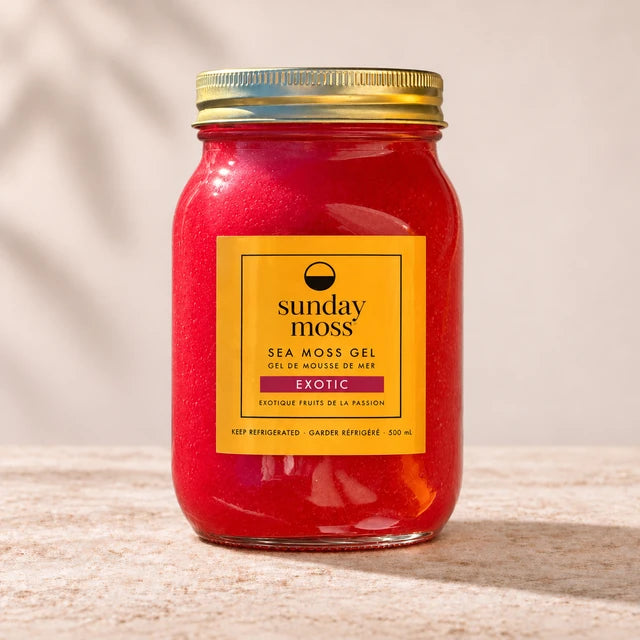
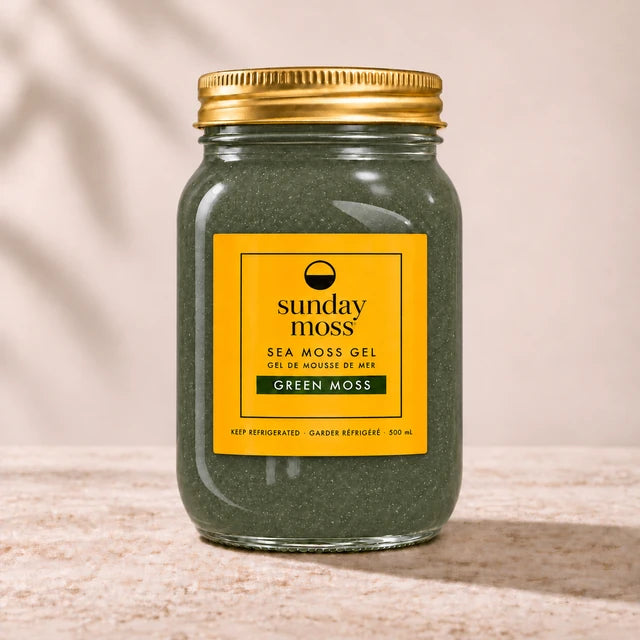
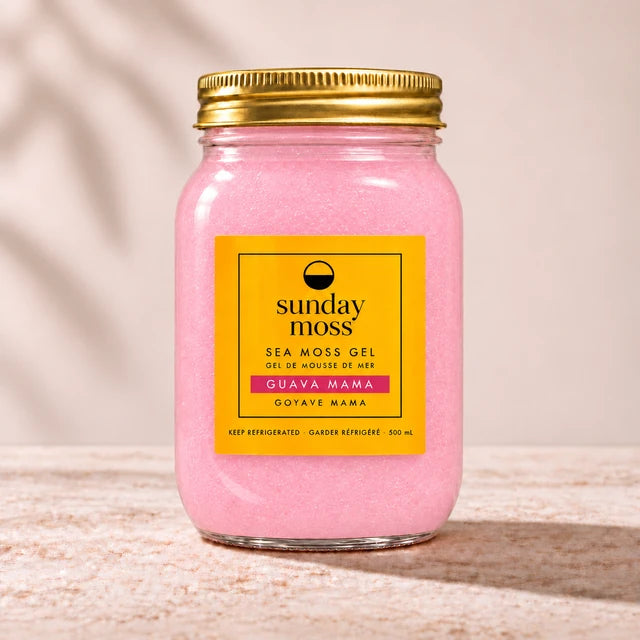
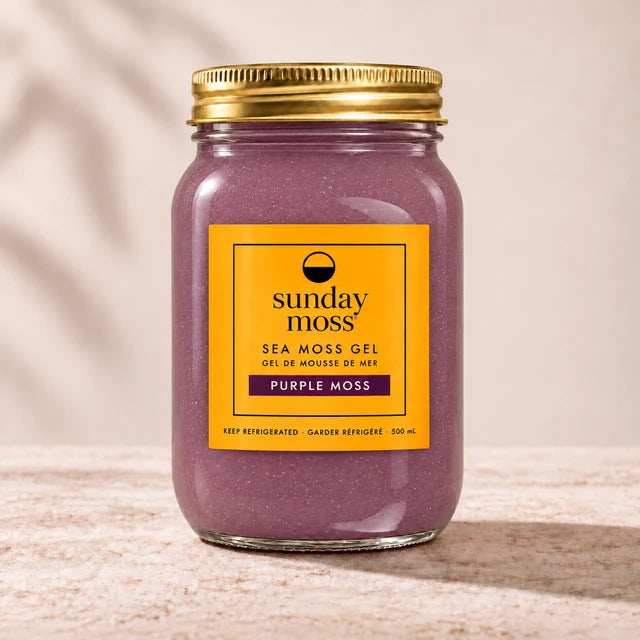
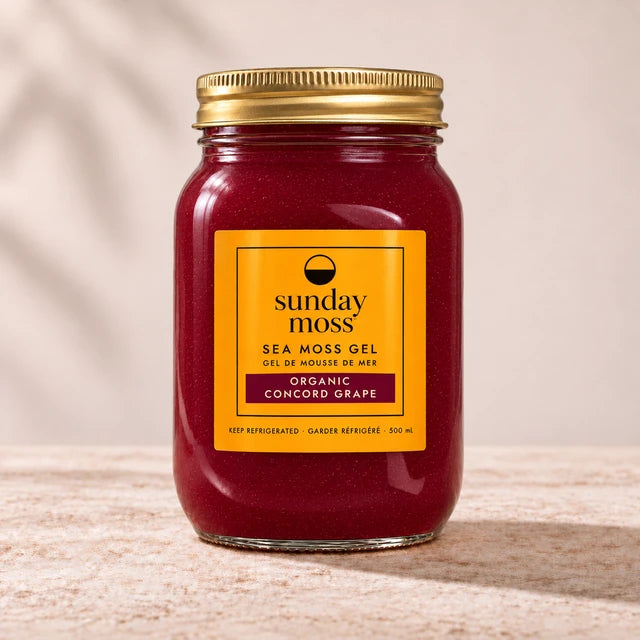
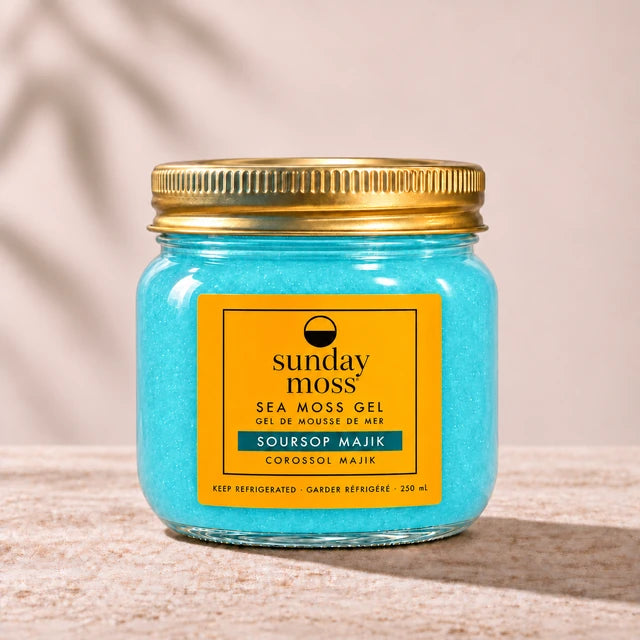
This is also a natural moment to make sea moss part of your week. Many people like to add 2 to 4 tablespoons of sea moss gel a day to smoothies, a bowl of warm oats or quinoa porridge, or stirred into tea. Keeping a jar of Sunday Moss wildcrafted St. Lucia sea moss gel on the same fridge shelf as your prepped grains makes it easy to reach for. Our OG is wonderfully neutral in savoury dishes, while Mango or Soursop Majik brighten up a breakfast bowl.
The point isn't perfection. Some weeks you'll soak a whole pantry's worth; other weeks it'll be one jar of chickpeas and a pot of rice. Both count. What matters is that you've carved out a small, slow space to care for your food and, in turn, yourself.
So tonight, maybe pour some chickpeas into a bowl, cover them with water, and let them do their quiet work while you sleep.
This post is for general information and inspiration only and isn't medical advice. Talk to a healthcare provider before changing your diet or adding herbs, especially if you're pregnant, nursing or taking medication.
 Soursop Majik
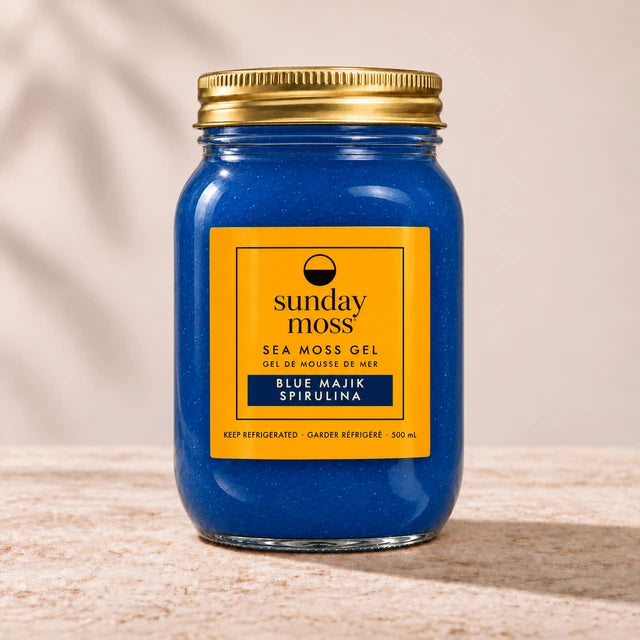 Blue Majik
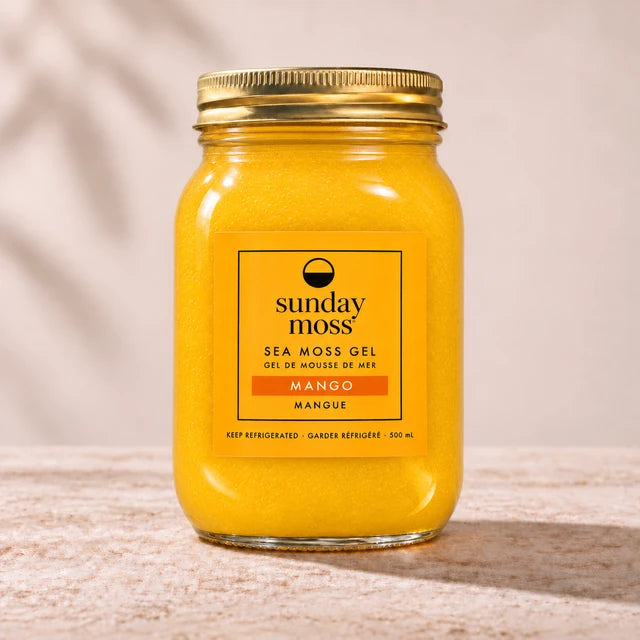 Mango